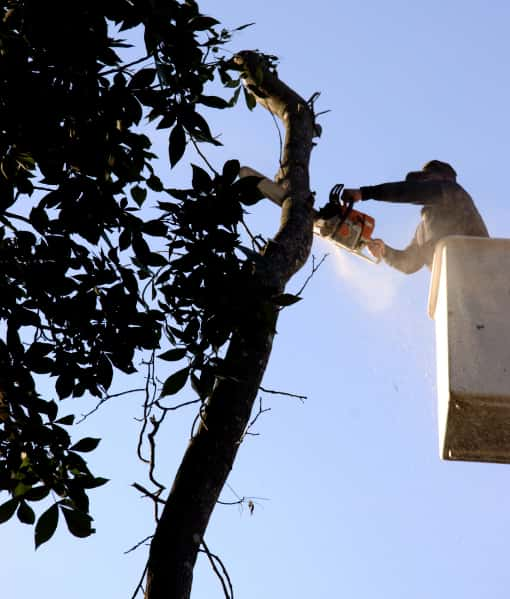
Trees provide shade, improve the appearance of a garden and create valuable habitats for wildlife. However, there are times when a tree becomes damaged, diseased or unsuitable for its surroundings, making removal the most appropriate option. Knowing when tree felling may be necessary helps property owners protect their homes, outdoor spaces and the people who use them.
For homeowners and landowners in Newmarket, Suffolk, recognising the warning signs of a declining or unstable tree is an important part of responsible tree care. While some problems can be managed through pruning or other maintenance, others may require professional assessment and, in certain cases, complete removal.
Signs That a Tree May Need to Be Felled
Not every damaged or unhealthy tree needs to be removed. The decision depends on its condition, stability, location and whether the problem can be managed safely. Several warning signs indicate that a tree should be assessed by a qualified tree surgeon.
Significant Trunk Damage or Structural Weakness
The trunk provides the main structural support for a tree. Deep cracks, large cavities, extensive decay or areas of damaged bark can indicate that its strength has been compromised.
A tree with substantial structural weakness may be more vulnerable to breaking or falling, particularly during strong winds. However, the presence of a cavity does not automatically mean that removal is necessary. A professional assessment can help determine whether the tree remains stable or presents an unacceptable risk.
A Leaning Tree or Exposed Roots
A tree that has recently developed a noticeable lean should be treated with caution, especially if the ground around its base has lifted or the roots appear damaged. These changes may indicate that the root system is no longer providing adequate support.
Some trees naturally grow at an angle, so the direction of growth alone is not always a cause for concern. A sudden change in position, disturbed soil or visible root damage is more significant and should be assessed promptly.
Disease, Decay and Declining Health
Trees can experience fungal infections, pest damage and internal decay that gradually weaken their structure. Signs may include dead branches, extensive areas of dying foliage, discoloured leaves or unusual growths on the trunk and roots.
Although some conditions can be managed with appropriate tree care, severe decay or widespread decline may leave a tree unsafe or unlikely to recover. A tree surgeon can evaluate its condition and advise whether pruning, ongoing monitoring or removal is the most suitable course of action.
Large Dead or Broken Branches
Dead branches can become brittle and fall without warning, creating a hazard for people, vehicles and buildings below. If a tree has extensive deadwood or repeatedly loses large limbs, its overall condition may need closer examination.
In some cases, targeted pruning can remove the dangerous branches while preserving the tree. Where extensive damage affects the tree’s structure, felling may be considered as part of a wider safety assessment.
When a Tree Becomes a Risk to Your Property
A tree’s location can influence whether removal is necessary. Trees growing close to buildings, driveways, garden structures or frequently used paths may require additional attention if their branches or root systems create problems.
Overhanging branches can interfere with roofs and gutters, while roots may affect paving or other nearby surfaces. These issues do not automatically justify felling, as careful pruning or other suitable management may resolve them.
However, if a tree is structurally compromised and could fall towards a building or an area regularly used by people, the potential consequences become more serious. A professional assessment helps establish the level of risk and identify the safest practical solution.
Can a Tree Be Saved Instead of Removed?
Tree felling should not automatically be the first option when a tree develops a problem. Preserving a healthy or recoverable tree can benefit the appearance of a garden and maintain its contribution to the local environment.
Depending on the circumstances, possible alternatives include removing dead or damaged branches, reducing an unsuitable canopy, managing competing growth or monitoring a developing problem. These measures may improve safety while allowing the tree to remain in place.
The appropriate approach depends on the tree’s species, age, condition and surroundings. A qualified tree surgeon can assess these factors and explain whether remedial work is realistic or whether removal is the more responsible choice.
Why Professional Tree Felling Matters
Felling a tree involves more than cutting through the trunk. The tree’s height, weight, natural lean, branch structure and proximity to surrounding obstacles all affect how it can be removed safely.
In restricted spaces, a tree may need to be dismantled in controlled sections rather than felled in one piece. This approach allows the work to be planned around nearby buildings, fences, garden features and access routes.
Attempting to remove a large or unstable tree without suitable training and equipment can create serious risks. Professional tree surgery ensures that the tree is assessed before work begins and that the removal method is appropriate for the site.
Tree Felling Services in Newmarket, Suffolk
If you are concerned about a damaged, diseased or unstable tree on your property, Newmarket Tree Surgeons can assess its condition and help you understand the available options. The aim is to determine whether the tree can be retained through suitable maintenance or whether professional tree felling is necessary.
Each tree and property presents different challenges, so an assessment should consider both the tree’s health and the potential risks to its surroundings. Where removal is recommended, careful planning helps ensure the work is carried out in a controlled and professional manner.
If you have noticed signs of decline or are worried about a tree’s stability, contact Newmarket Tree Surgeons to arrange an assessment in Newmarket, Suffolk.
Conclusion
Knowing when to remove a tree involves looking beyond its appearance. Structural damage, root instability, severe disease and significant deadwood can all indicate that professional attention is needed. However, some problems can be addressed through pruning or other tree maintenance, making an informed assessment essential.
For property owners in Newmarket, Suffolk, seeking advice early can help identify potential hazards and determine the most suitable course of action. Newmarket Tree Surgeons can help you assess a tree’s condition and decide whether careful maintenance or professional tree felling is the right solution for your property.
Call us on: 01638 591 692
Click here to find out more about Newmarket Tree Surgeons
Click here to complete our contact form and see how we can help with your tree needs.